
Starting September Strong!
It seems like we blink and the Summer holidays have flown by. I’m sure you are feeling similarly to me, excited but also slightly nervous as to what September will bring and mainly, how hard it will be to get up in the morning so early again! I’ve had a lovely summer spent with family and friends, making memories and taking the time to relax and refresh after a busy academic year. Here are some pictures!








At this point in the holidays, I’m thinking deeply about the transition to school, whether that is in Nursery or Reception. It is fundamental that this transition is successful for both our little learners and our educators, as children must feel safe, happy and valued before anything else can take place.
I’ve taught now for 8 years. Every September is different, and brings new and exciting opportunnities. It also can bring on feelings of anxiety and worry for both children and adults. That’s why careful planning and thought is necessary to ensure the most successful start for all involved. By now, the home/nursery visits are done and hopefully, we all have a sense of what the cohort is like and what they are interested in. I thought, for my first blog post, I’d share some of the tactics and strategies I use to help settle the children into their new routine and environment. Hope you find it helpful! - Charlotte xxx
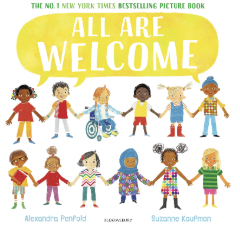
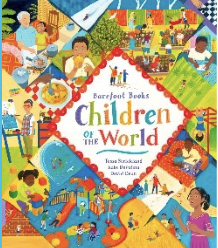
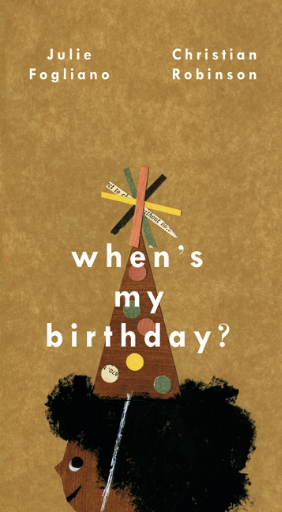
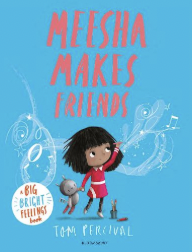
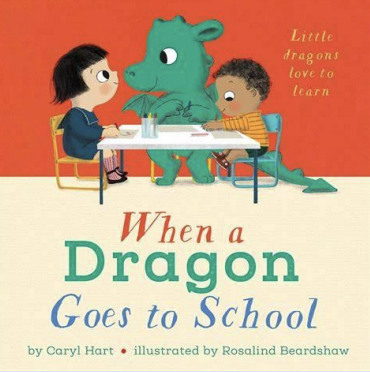
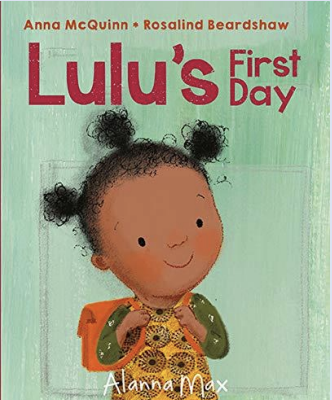
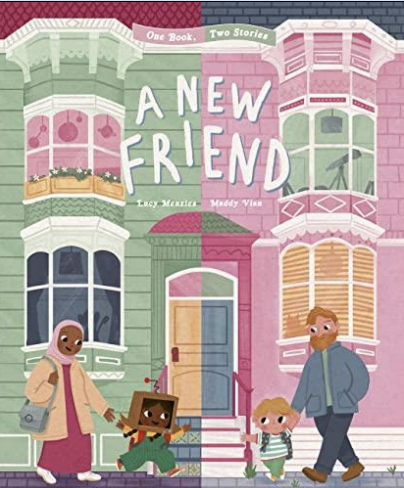
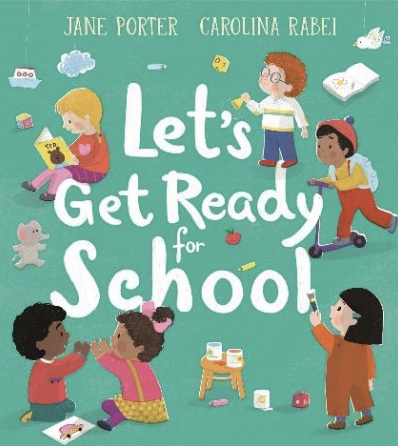
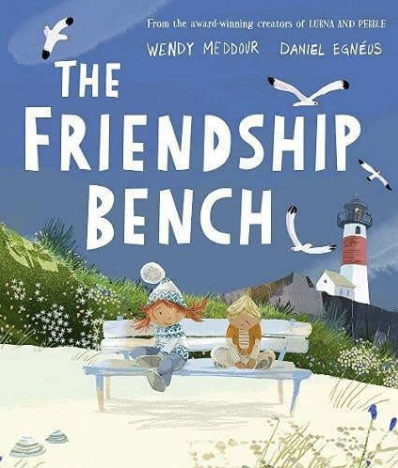
1. Make quality texts part of your transition
Books can provide a gentle way to explore the experiences and emotions associated with starting Nursery. Choose high-quality, inclusive texts that reflect children's experiences and provide opportunities to talk about feelings, relationships, routines and new experiences.
Rather than simply reading a book once, return to familiar texts regularly. Repetition can be reassuring for young children and gives them opportunities to join in, anticipate what might happen and gradually become familiar with the language within the story.
Use books as a springboard for conversations:
"I wonder how they are feeling?"
"Have you ever felt like that?"
"What do you think might happen next?"







2. Spend time talking with children
During the first few weeks, connection should come before correction or expectation.
Make time to sit alongside children, follow their interests and have genuine conversations. Comment on what they are doing, model new vocabulary and give children plenty of opportunities to communicate in their own ways.
For a child who is unsure about joining an area, an adult might sit nearby and model:
"I'm going to have a look at the playdough. It's really soft. I wonder what we could make?"
This can be far more inviting than simply directing:
"Come and play with the playdough.
3. Model how to use the environment
For a child entering a completely unfamiliar setting, the environment can feel overwhelming.
Don't assume children know what to do with the resources available.
Spend time modelling the different areas of provision. Sit alongside children and demonstrate how resources can be used, narrating your actions as you go.
For example:
"I've found the animals. I wonder where they could live?"
or:
"I'm going to choose some blocks. I'm going to put this one here... I wonder what will happen if I add another?"
This helps children understand that the environment is for them and gives them ideas for how they can begin to explore it.
4. Keep resources familiar and accessible
In the early days, avoid changing the environment too frequently.
Children need opportunities to become familiar with where things belong and how they can access them. Keeping resources organised, visible and accessible allows children to gradually develop independence and confidence.
Photographs or simple visual cues can also help children understand where resources belong.
5. Follow children's interests
Find out what children enjoy and bring those interests into your provision.
A child who loves dinosaurs might initially feel more comfortable when they discover dinosaurs in the small world area. A child who loves cars might begin to build their confidence through a familiar interest.
These interests can become bridges into relationships, communication and wider exploration.
6. Be alongside children rather than always leading
It can be tempting to fill the first few weeks with adult-led activities, but children also need time to explore the environment at their own pace.
Position yourself where children are playing. Observe what captures their attention and use this as an opportunity to interact.
Think:
Observe → join → comment → model → extend rather than constantly directing children's play.
This links closely to the ShREC approach (EEF) https://educationendowmentfoundation.org.uk/early-years/the-shrec-approach
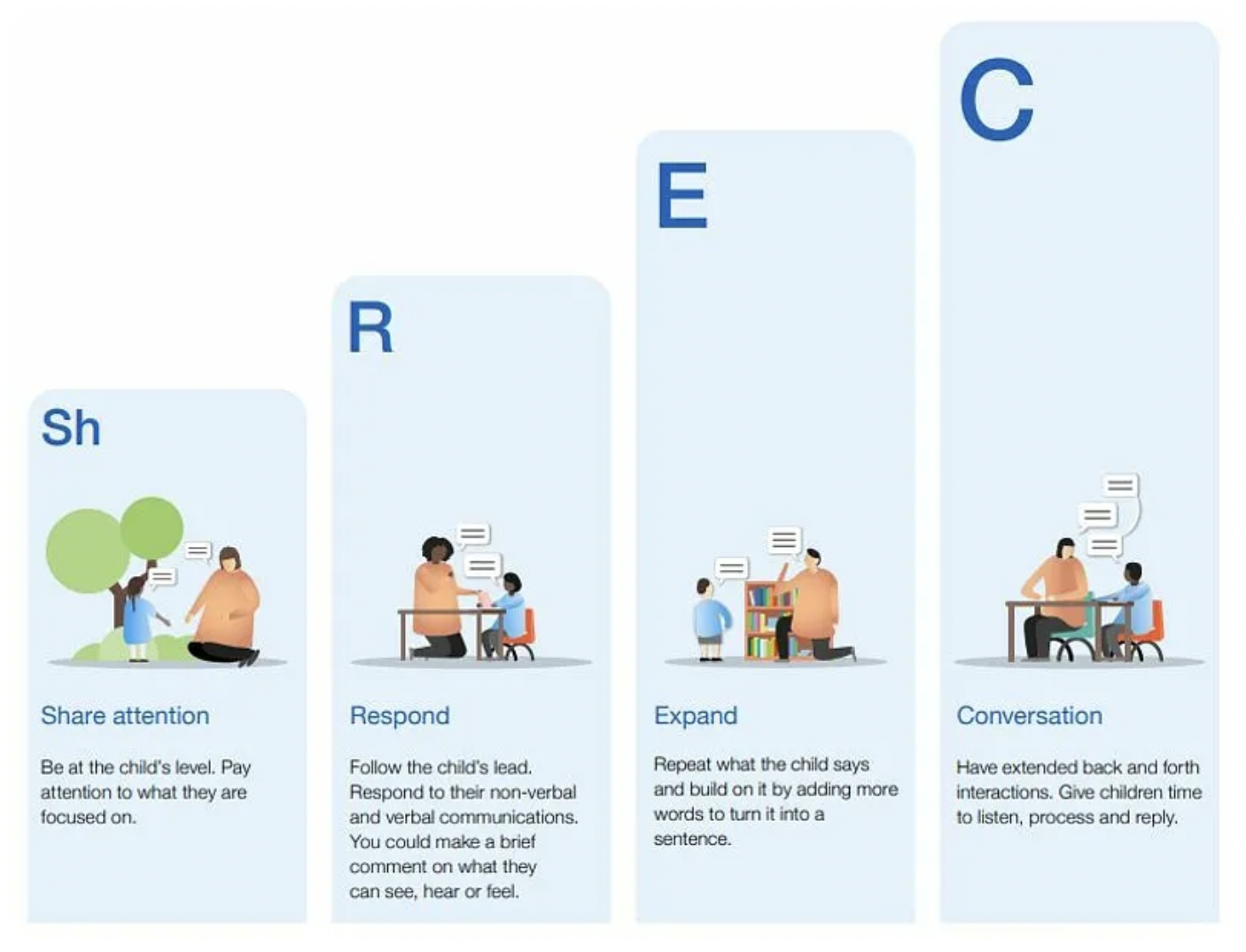
The ShREC approach from the Education Endowment Foundation.
7. Create a sense of belonging
Small details can communicate a powerful message:
"This is your Nursery."
Display children's photographs, artwork and family contributions. Create spaces where children's interests and experiences are visible. Learn children's names quickly and use them often.
When children see themselves represented within the environment, it can begin to feel like somewhere they belong.
8. Repeat familiar experiences
Young children benefit from repetition.
Repeating favourite stories, songs, routines and experiences allows children to become increasingly confident because they know what to expect.
A familiar song at tidy-up time, the same story before home time and a predictable routine can all provide reassuring anchors throughout the session.
Now and Next and Visual Timetables are vital in ensuring this routine is clear and familiar to the children.
9. Give children time
Not every child will settle at the same pace.
Some children will confidently explore from their first morning, while others may spend much of their time observing, staying close to an adult or repeatedly returning to one familiar area.
Rather than viewing this as something that needs to be "fixed", consider what the child is communicating and how you can use the environment and your interactions to build their confidence gradually.
The environment is part of the transition
A successful transition isn't simply about helping children become familiar with the adults and routines. It is also about helping them understand:
Where am I?
Who is here for me?
What can I do?
Where do I belong?
Through quality texts, meaningful conversations, careful modelling, familiar resources and responsive interactions, we can create a Nursery environment that feels safe enough for children to begin exploring.
The aim isn't to make every child settle immediately. It's to create the relationships, routines and environment that allow each child to settle in their own time.
And sometimes, the most powerful thing we can do is simply sit beside a child, share a story, follow their lead and let them know:
"You're safe here. This is your space. We have time." 🤍
